Kraft Foods to Partner with Maine Apple Farmers Cooperative
Case Type: operations strategy.
Consulting Firm: Roland Berger Strategy Consultants first round full time job interview.
Industry Coverage: food & beverages; agriculture, farming, aquaculture.
Case Interview Question #01062: Your client Kraft Foods is a large food and beverage conglomerate in the United States. Kraft Foods has a small plant in Maine that produces apple juice from one specific type of apple which is grown locally. The apple juice is premium priced and positioned. The company bought the plant from a local 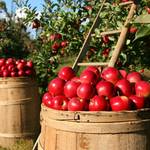 farmer cooperative a few years back with the hopes that the company could increase the plant’s capacity through better management. The Maine apple juice plant is currently operating at full capacity.
There was an accident at the plant recently where a worker broke his leg. This incident prompted a review by OSHA (Occupational Safety and Health Administration, the government review agency in charge of occupational safety). OSHA has informed Kraft Foods that an additional $5 million investment is needed to bring the Maine apple juice plant up to current safety standards. You have been hired by the company to help it decide what it should do. Specifically, you need to provide your client with a list of options and then identify the one that you recommend.
Additional Information: (if interviewee asks probing questions)
* The apple juice product is breaking even for the company.
* There are several other premium apple juice brands in the market. The competition is stiff.
* There is a raw material constraint (there is a limited number of this specific kind of apple which is grown each year).
* The demand for the apple juice is strong. Consumer demand is only limited by the availability of supply. The strength of the demand stems from the uniqueness of the product (that special kind of apple).
* Producing a concentrate for the apple juice will not work for this particular plant (too costly to convert machinery and this specific kind of apple does not lend well to such a use). In other words, you cannot grow more apples or stretch more out of the current supply.
* The client Kraft Foods’ competitive advantage is its marketing expertise and distribution system.
Possible Answers:
After asking several questions to get more information, I outlined the following options:
(1) get out / sell the Maine apple juice plant,
(2) status quo approach (invest minimum necessary to meet government standards/do nothing),
(3) gung-ho approach (invest above minimum level in both the facility and the human resources).
It is important to list all possible options in an effort to be thorough, rather than to just identify one or two of the more viable alternatives.
Then, I identified the stakeholders in this decision (the apple farmers, customers, client company, local community, U.S. government regulators, and competitors) and discussed the advantages and disadvantages of each option for each of the stakeholders. In this question, the client company is also asking itself, “what is my internal rate of return?” (or are my funds put to a better use elsewhere in the organization?). With this question in mind (and the fact that there is a resource constraint and the product is just breaking even), the company should get out/sell the Maine apple juice plant. However, this option also has public relations implications (layoffs, bad PR because of the accident, news could leak that the company didn’t have the best safety standards, etc.). The best option is to sell the plant to the local farmer’s cooperative or work out some joint partnership agreement with them.
Conclusion: there are three main options:
(1) walk away (shut down the apple juice plant or sell it).
(2) invest more money into the plant.
(3) arrange a partnership agreement with the local farmer’s cooperative who originally sold the plant to your client which would place the plant operations in the hands of the farmers while the company would market and distribute the apple juice. This is the approach that should be recommended to the client.
Additional note from the candidate:
This case is very unique. It serves a good purpose — which is to get the candidate to answer the question that is directly being asked (“what are my options, etc.?”) and, to use the biggest consulting cliche of all, to “think out of the box,” rather than fall into a safe case framework. The successful individual will probe for more relevant information and assess the situation by developing his or her own framework that is unique to the question at hand. The traditional frameworks serve as a good starting point, but don’t be locked into them.