Supermarket Chain Sainsbury’s to Design New Store Layout
Case Type: operations strategy, optimization; organizational behavior.
Consulting Firm: L.E.K. Consulting first round full time job interview.
Industry Coverage: retail.
Case Interview Question #00919: Our client Sainsbury’s Supermarkets Ltd operates a chain of supermarkets in the United Kingdom, with a share of the UK supermarket sector of 16.9%. The company is the second largest supermarket chain in the UK since 2014, and it places a great emphasis on a higher quality grocery offering compared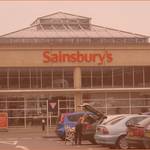 to its other large rivals.
We were asked by the CEO of Sainsbury’s to design a new, more profitable type of supermarket for them. One of the key components of this work was to design the layout of the store – to decide where all the different types of goods should be located within the store. The supermarkets within the chain already had very different layouts. For example, some stores had the fruit and vegetables section near the entrance while some had placed this section near the exit, so that customers would probably buy fruit and vegetables last.
The people within the client company thought that goods placed “first-in-flow” (i.e., the goods that were the first items customers saw and bought) sold more. They thought that moving a section from last-in-flow to first-in-flow would increase its sales. How could you verify that this was true?
Possible Answer:
Candidate: You could experiment with one supermarket store. Change the location of a section and measure its sales. But, this will take time to do and will probably upset customers. Have any of the stores in the chain changed their layout recently? Are there records of the sales of each section before and after? Obviously, you would have to take account of other changes that were happening at the same time as the layout change, such as price changes or changes in the amount of space given to each section.
You could take advantage of the fact that the chain already has different layouts among its stores. Could you see whether sales of goods are higher when they are first in flow than when they are elsewhere? This may get complicated, since different stores may have different selling patterns due to other reasons (e.g., competition nearby, regional preferences of consumers, amount of space given to the goods).
Interviewer: Let’s say that you did manage to prove it. You know that whatever you put first is likely to sell more than it would in another place. What types of goods would you think about putting first? Think of as many as you can.
Candidate: How about:
* Goods we think will show the greatest rise in sales if moved to the front.
* Goods with the highest profit margin (i.e., if we make a 50 percent profit margin on our meat, but only a 5 percent profit on our cereals, we would make more profit if we put the meat first in flow).
* Goods which consumers don’t have to buy. For example, they probably buy roughly the same amount of milk each week, and it would be hard for us to persuade them to buy more. On the other hand, if we put cakes or alcohol first, they may buy more than they normally would.
* Goods which we had a lot of and which may go bad soon (i.e., special offers).
(Note: there are many more suggestions.)
Interviewer: When we surveyed customers, they said that they preferred to have fruit and vegetables last in flow so that the goods wouldn’t get squashed at the bottom of their grocery carts.
However, we ended up recommending that fruit and vegetables should be put first. This wasn’t because of any of the reasons that you have already outlined. Why do you think it may have a benefit?
Candidate: Was it because there was an overall effect on the store? Maybe people think the store offers fresh, cheap, healthy items if people see fruit and vegetables first?
Was it for operational reasons – for example, nearer to the loading dock for faster/cheaper restocking of high turnover goods?
Interviewer: At this stage, the interviewer may follow up on other topics, for example:
* We found that some items in the store didn’t make much money — for example, the fresh fish counter. How would you decide whether this counter should be kept?
* Do you think that the layout of each store in the supermarket chain should be the same? Why or why not?