PepsiCo Set to Run Nationwide Promotion Campaign
Case Type: operations strategy, marketing.
Consulting Firm: ZS Associates first round full time job interview.
Industry Coverage: food and beverage.
Case Interview Question #00744: PepsiCo Inc. (NYSE: PEP) is an American multinational food and beverage corporation headquartered in Purchase, New York, United States, with interests in the manufacturing, marketing and distribution of grain-based snack foods, beverages, and other products. PepsiCo was formed in 1965 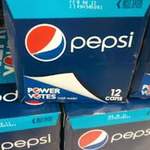 with the merger of the Pepsi-Cola Company and Frito-Lay, Inc. PepsiCo has since expanded from its namesake product Pepsi to a broader range of food and beverage brands.
PepsiCo has come to your consulting firm for advice on whether they should run a nationwide bottle-top promotion for a major sporting event in year 2012, e.g. the Super Bowl. What factors should PepsiCo consider in order to make this decision, and what recommendation should be given to PepsiCo?
Possible Answer:
Part 1: Qualitative Analysis
1. Previous campaigns and scope of the proposed campaign
a. Discuss any previous campaigns and any learning points
i. Previous campaigns have generally been successful, but PepsiCo has found that they make most profit from high profile campaigns.
ii. Previous campaigns have involved prizes ranging from soccer balls or basketballs (depending on the campaign) to all expenses paid trip to a sporting event.
b. Lead time involved in changing the design of labels on bottles and bottle tops is minimal and is zero cost.
c. Proposed campaign:
iii. Discuss the type of sporting event. 2012 is a big year with the Olympics and annual sporting events such as the Super Bowl, NBA playoffs, etc.
iv. Collect bottle tops and claim varying level of prizes vs. lucky bottle tops for grand prize vs. another idea or combination of all.
v. Begin promotion three months before the sporting event.
2. Competitor campaigns
d. Competitors, e.g., Coca Cola, are expected to run similar campaigns. Discuss historical drink preference of customer (Coke vs. Pepsi), and likelihood of switching between the two drinks. Also discuss keeping those incremental PepsiCo drinkers after the marketing campaign.
e. Review the impact of other campaigns, such as McDonalds or Burger King, deemed minimal given the different product offerings, i.e. bottle of soda to quench thirst or give energy vs. extra value meal where the drink comes with.
3. Financials of running a campaign — incremental cash flow
f. Monthly Revenue — see calculations below
g. Costs — see calculations below.
h. Time horizon
i. Net cash flow
4. Consider the selection of sporting event and interest level of each event, Super Bowl vs. Olympics vs. NBA Playoffs and the difference in incremental revenue. Do this qualitatively and discuss where one would get data from if running out of time.
Part 2: Quantitative Analysis
The quantitative analysis of this marketing strategy case should not focus on the total beverage market, but instead focus on the incremental PepsiCo sales that would be gained by the promotion over both the short-term and long-term (by customers switching from Coke to Pepsi).
1. Monthly revenue
a. Price: Soda bottle – $1.50, and soda can – $1. Average out to $1.25
b. Quantity: Only target those who are currently indifferent between Coke and Pepsi, seeing as loyal Coke drinkers will not switch. Also consider Pepsi drinkers may switch from drinking another product to Pepsi more often — but not necessary in calculations (for time). Steps required:
Size total soda market in USA
- US Population: 300 million
- Segment by age with life expectancy at 80 years, and assume population uniformly distributed among ages. Therefore 3.75 million in each age band (300m / 80 years)
- Make assumptions for number of soda drinkers in each category and build table similar to below.
| Age group | # in each category | % soda drinkers in category | Frequency of soda drinking | Sodas per month |
| 0 – 5 | ||||
| 5 – 10 | ||||
| 10 – 20 | ||||
| 20 – 40 | ||||
| 40 – 60 | ||||
| 60 – 80 |
c. Make assumption for number of consumers that are indifferent between Coke and Pepsi to arrive at potential sales per month.
2. Monthly costs — take marketing costs as a percentage of revenues for simplification, i.e. 10%.
3. Cost of prizes — estimate costs of flights, hotels, tickets, spending money for 10 people. Can also estimate cost of smaller prizes too but likely to be immaterial.
Part 3: Recommended Conclusion
Conclusion should be based on the net cash flow calculated above balances against any qualitative arguments made earlier.