NYC Rolls Out Nation’s Largest Free Public Wi-Fi Network
Case Type: new business; operations strategy.
Consulting Firm: PwC Diamond Advisory first round summer internship job interview.
Industry Coverage: government & public sector; information technology (IT).
Case Interview Question #00694: Your client is the office of New York City Mayor Michael Bloomberg. Born February 14, 1942, Bloomberg served as the 108th Mayor of New York City, holding office for three consecutive terms (January 1, 2002 – December 31, 2013) beginning with his first election in 2001. He is the founder and 88% owner 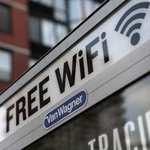 of Bloomberg L.P., the global financial data and media company notable for its Bloomberg Terminal.
Mayor Bloomberg has asked you to come to NYC as a Diamond consultant and advise him on whether public Wi-Fi should be accessible to all of New York City free of charge. The Mayor has looked at several studies and has seen some research on the economic impact. What would you consider and investigate in other to determine whether Mayor Bloomberg should or should not take this decision?
Possible Answer:
This strategy case is focused on developing an approach to the question. No number calculations are necessary in this case. The case is broken into various levels of consideration:
Level 1 — Would this implementation be useful to the NYC population?
Analyze the number of people who current have and do not have access to the Internet.
Of those who do not have Internet access, identify the reasons for lack of access (two main groups)
- Supply side: People want access, but currently do not have it due to a number of factors: service and geographic gaps, price, slow/subpar access speeds
- Demand side: People do not want access because the do not have a computer or do not consider it valuable (think certain age demographics)
Level 2 — How would this implementation affect constituents that currently provide Internet access for-profit?
- Identify affected players in the market (e.g. Comcast, AT&T, Time Warner Cable, FIOS, etc.)
- Identify repercussions that will be faced by these businesses by identifying the populations they serve.
Level 3 — Estimate the revenue loss of affected players by sizing the population that currently subscribes to an Internet connection.
- Households
- Businesses
- Academic Institutions: Schools and Universities
The candidate should understand that some of these may benefit from free public Internet access. How do you justify a decision to provide free Internet access to the current providers?
Level 4 — Identify advantages and caveats of the decision.
- What positive impact will come from this decision? How do we know? Benchmark other cities that have implemented this model to determine the upside.
- Why Wi-Fi? Is there better technology out there?
- Are there other options worth investigating? E.g. DSL, cable, subsidizing Internet access to pockets of the population, etc.
- How do we mitigate the risk that we invest significant capital for implementation, but meanwhile technology evolved and our investment is less valuable?
- Are there alternative ways to provide Internet access: Kiosks, Internet cafes, increased public library Internet access
- Additional Issues: security, privacy, speed
Level 5 — Implementation
- How much will it cost?
- Who will bear the cost?
- Will the constituents agree to bear the cost?